Elementary
Montessori School of Northern Virginia
Elementary
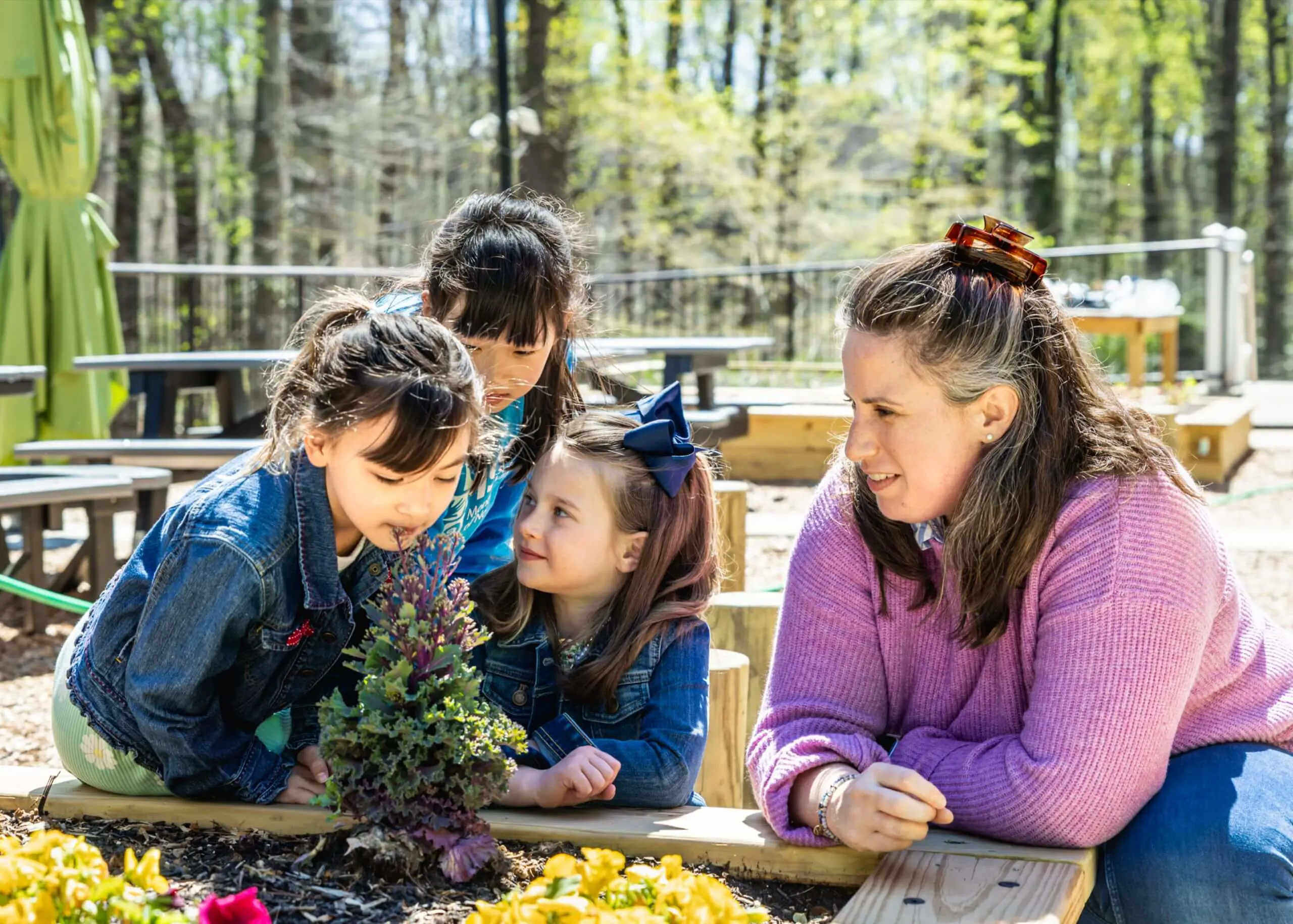
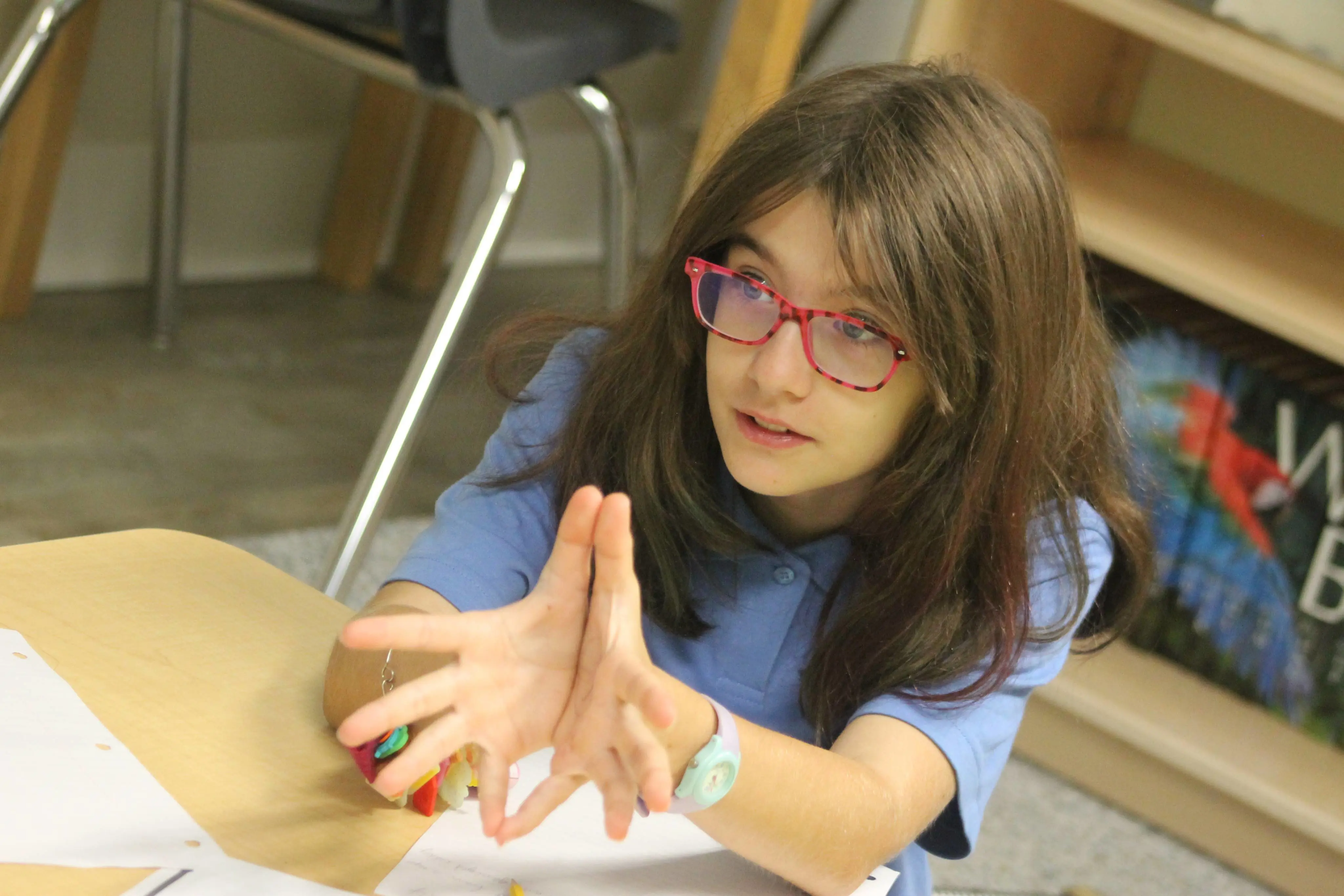
Elementary at MSNV is a time when curiosity deepens, confidence grows, and students begin to see themselves as capable, independent learners. Building on the Montessori foundation established in the early years, children move into more complex thinking, long-term projects, and meaningful collaboration with peers.
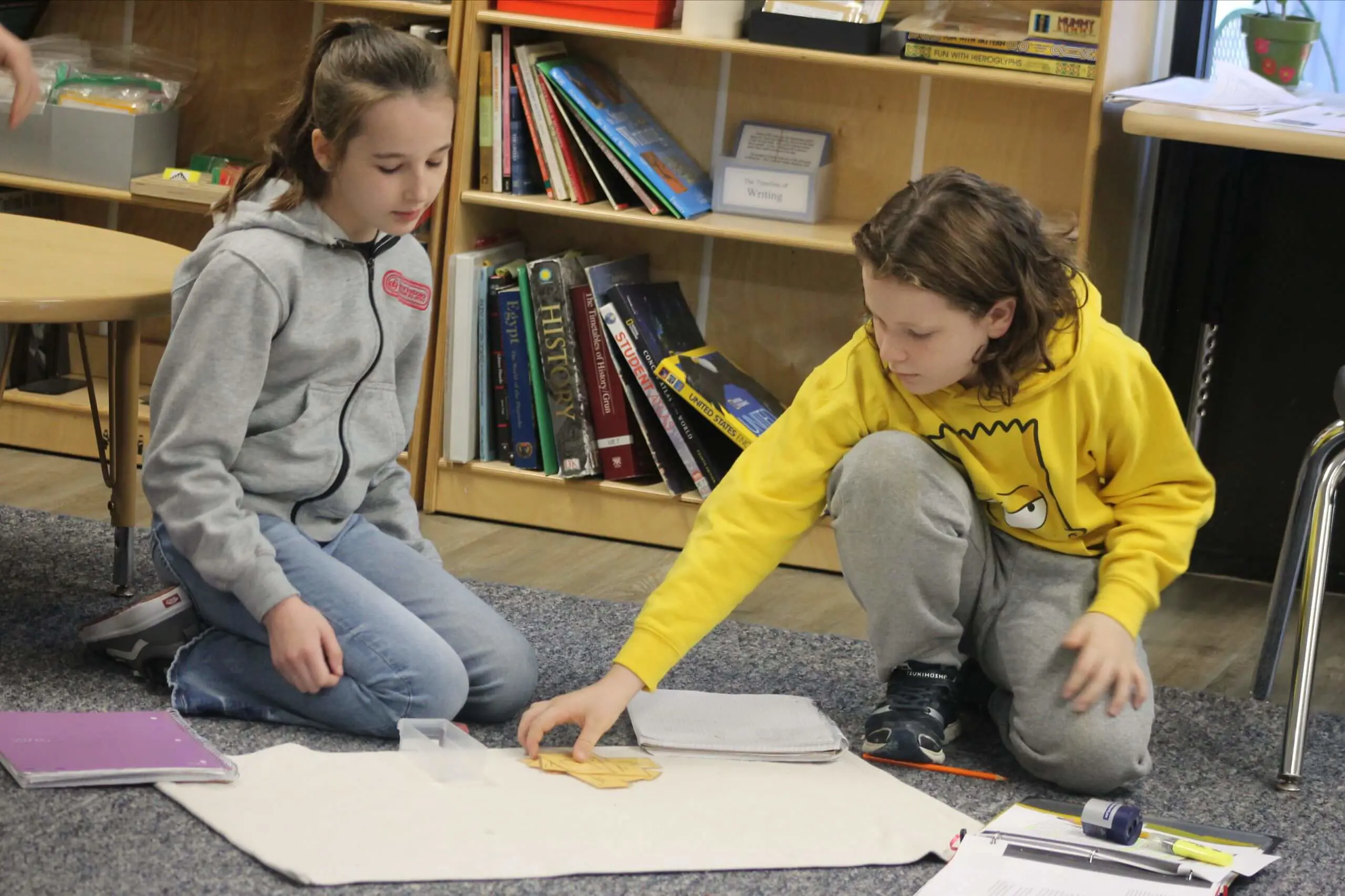
In Lower Elementary, students eagerly explore new ideas, ask big questions, and dive into subjects that spark their interests. With the guidance of their teachers, they learn how to plan their work, manage their time, and take increasing responsibility for their learning.
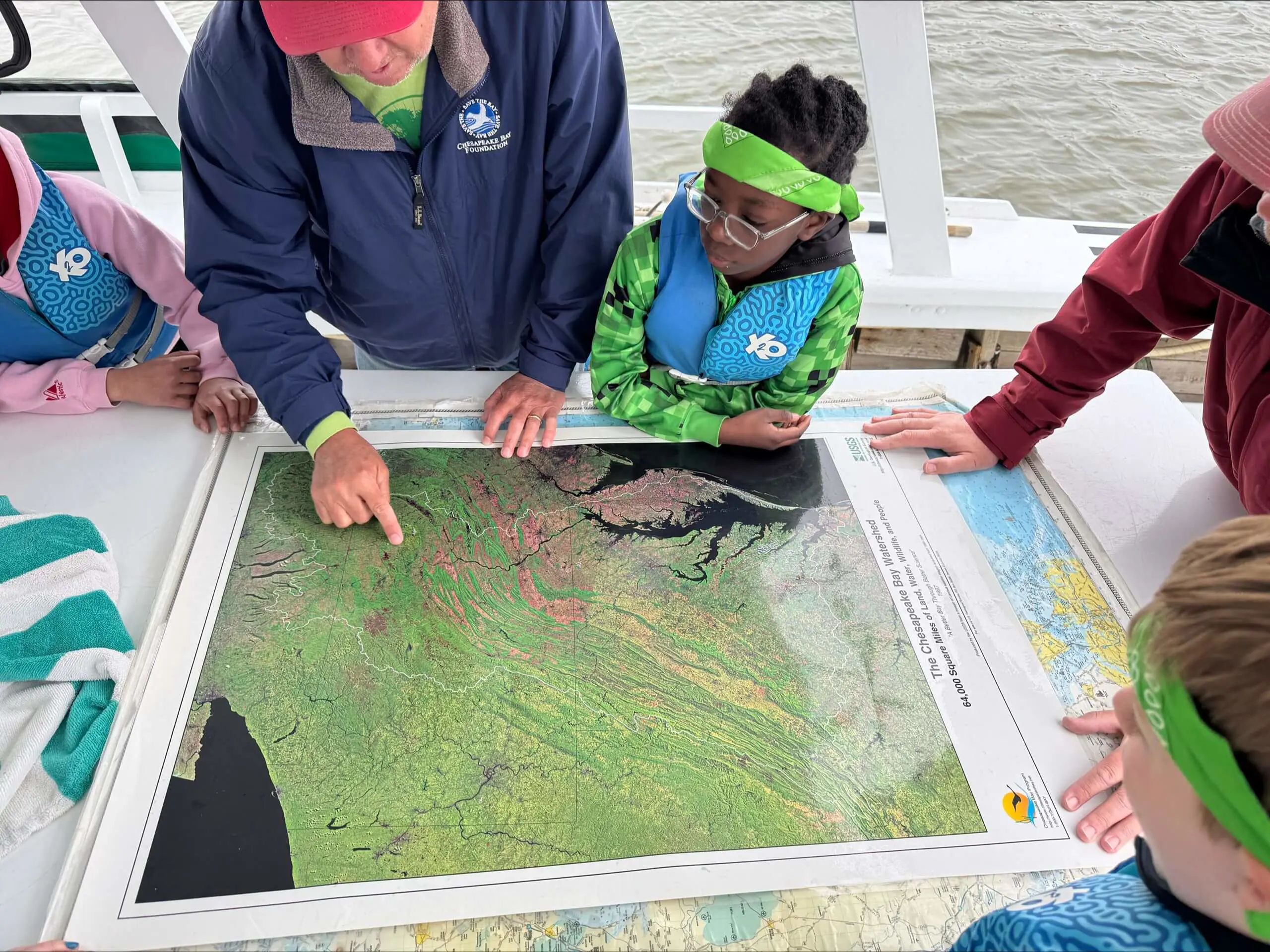
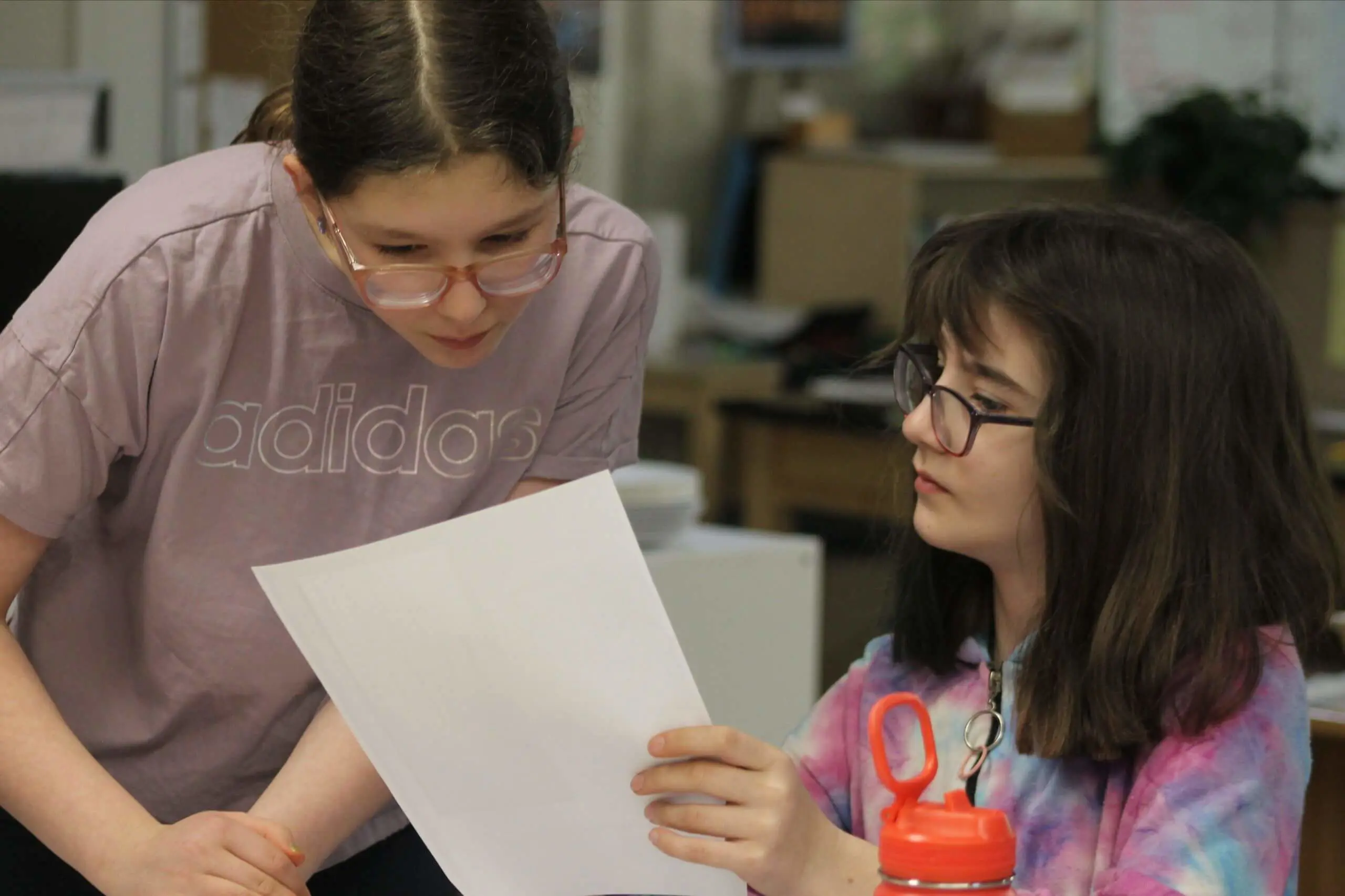
As students transition into Upper Elementary, independence and leadership continue to grow. They set goals, work through challenges, and engage in deeper research and problem-solving. Strong communication skills, teamwork, and a sense of accountability become central to daily life in the classroom.
Throughout the Elementary years, learning is intentionally paced to meet each child where they are — academically, socially, and emotionally. Students are encouraged to think critically, ask thoughtful questions, and take pride in their progress, developing the skills and confidence that prepare them for Middle School and beyond.
The Curriculum
| Cosmic Education and the Great Stories |
Cosmic Education was Montessori’s vision for the Elementary child and it is the basis of the elementary Montessori classroom. Cosmic Education is an approach that leads students to an understanding and appreciation for the whole universe and the interconnectedness between its parts. To do this we start with the Great Lessons, impressionistic stories of the universe and the history of life and humanity. This vision of the universe, as a place full of connected and purposeful life, leads an Elementary child toward greater questions, such as his or her place in the universe and what that entails. Montessori’s hope was that this point of view would lead children to a sense of wonder about the universe, and thus to strive for a more peaceful society. The Great Lessons are the heart and soul of the Elementary Curriculum: The First Great Lesson is the Coming of the Universe and the Earth, the Second Great Lesson is the Coming of Life, the Third Great Lesson is the Coming of Humans, the Fourth Great Lesson is the Story of Writing, and The Fifth Great Lesson is the Story of Numbers. |
| Practical Life |
| The entire Montessori curriculum strives toward independence and self-direction for the child. In keeping with this concept, the aim of the practical life curriculum is to give children the skills they need to independently care for themselves, their peers, and their environment. This curriculum is very broad, for it takes in any activity necessary for day to day life, but can be broken down into four basic categories – Care of Self, Care of the Environment, Grace and Courtesy, and Life Skills. |
| Language: Reading, Writing, and Oral Expression |
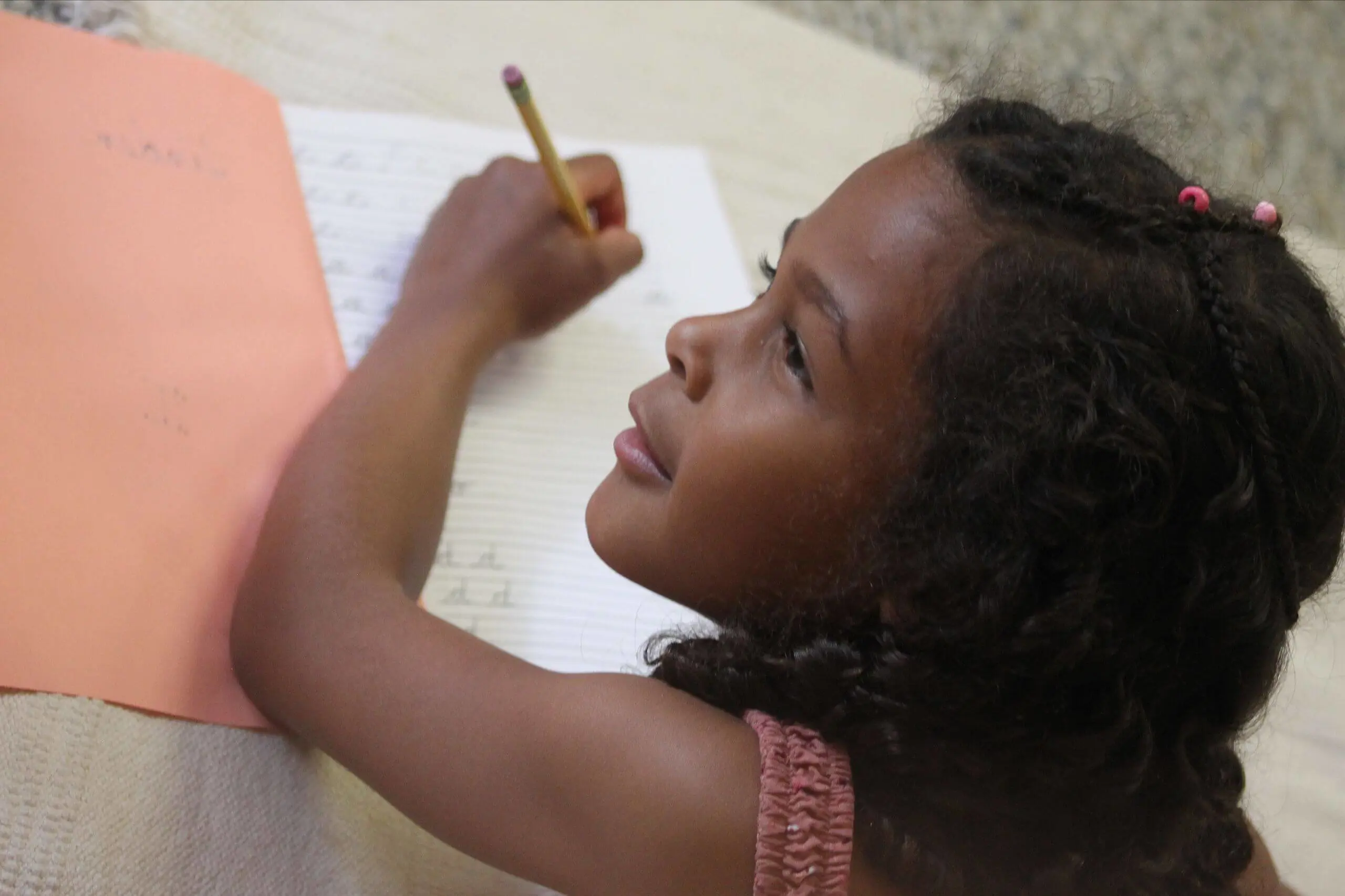
Children enter the Elementary class at all stages of reading development. In the Elementary class, we will continue the dual approach begun at the Primary level of both decoding and encoding for children who are working on developing their basic reading skills. As important as the ability to read is, it is only one aspect of becoming a reader. This is why we set aside time several times a week just to sit down and enjoy a good book through silent reading time. Students also develop a comfort with creative writing through Writer's Workshop, a time set aside for the children to write, revise, edit, and publish their creative and expository writing efforts. Elementary students have various opportunities throughout their curriculum to practice their oral skills, from small group reading and discussion groups to leading class meeting and dramatic performances. |
| Math |
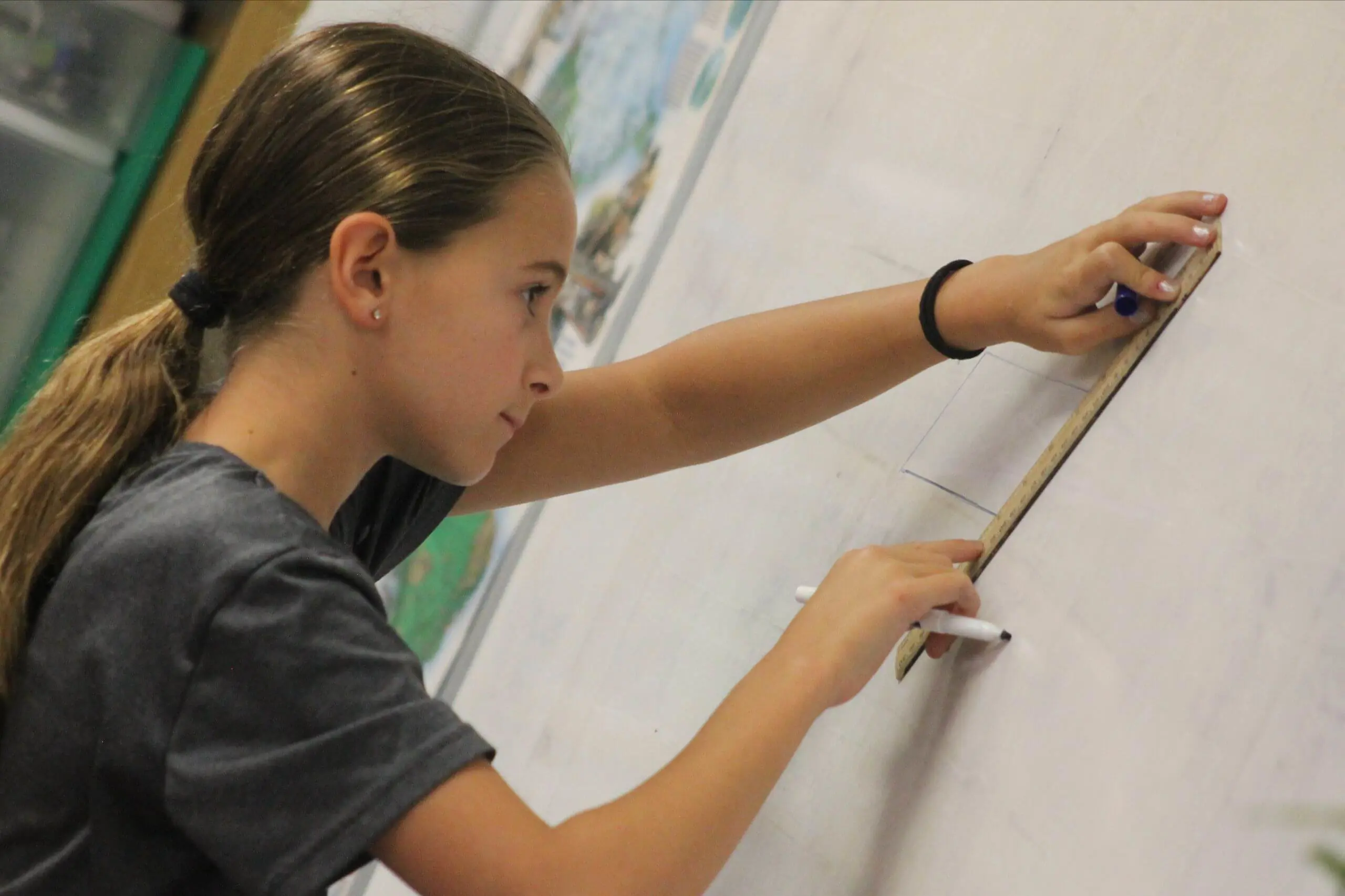
| Students use materials to work toward the abstraction of math concepts, naturally formulating rules and formulas themselves. According to the Montessori Method, the rules are points of arrival — not departure. Through the child's own effort, the internalization of abstract concepts is achieved. This carefully designed movement from the concrete to the abstract allows the child to develop a deep understanding of complex mathematical principles. |